
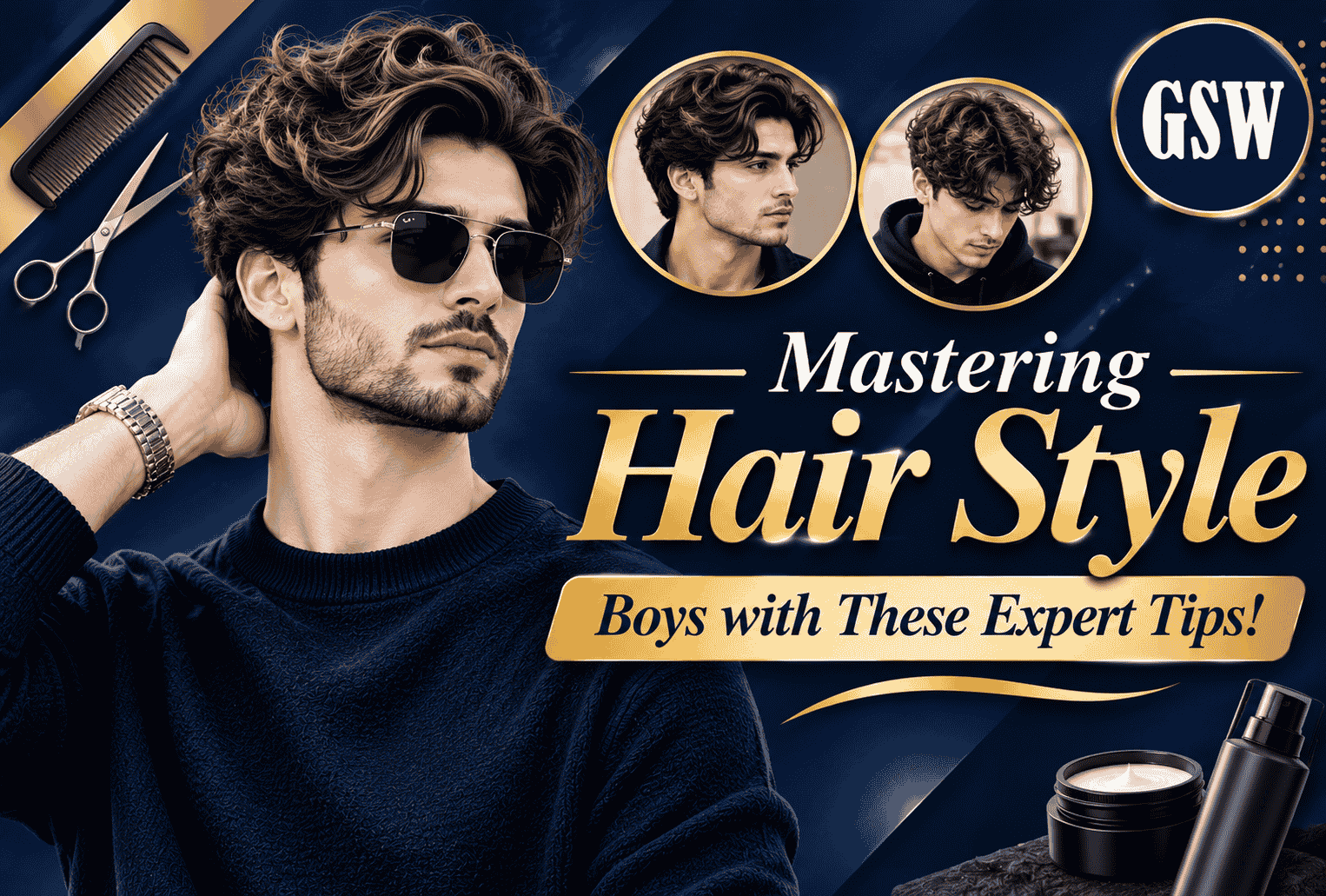
A great hairstyle can make a boy feel comfortable, confident and ready for any occasion. Whether he prefers a short and simple haircut, a modern textured look or longer hair with natural movement, the right style can make everyday grooming much easier.
However, choosing the perfect haircut is not always as simple as picking a picture from the internet. Hair texture, thickness, face shape, age, daily activities and personal preferences all play an important role. A hairstyle that looks excellent on one boy may require too much styling or simply feel uncomfortable on another.
That is why understanding different boys hairstyles is important before booking the next barber appointment. From classic crew cuts and modern taper fades to curly tops and relaxed middle parts, there are plenty of attractive options to explore.
In this guide, we will look at popular hairstyles for boys, how to select a haircut for different hair types, practical styling techniques and simple grooming habits that help keep hair looking neat.
Whether you are a parent searching for a suitable haircut for your child or a teenager looking for a fresh appearance, these tips will help you make a more confident choice.
Why Choosing the Right Hairstyle for Boys Matters
A hairstyle is more than just the length of someone’s hair. It can influence how comfortable a boy feels throughout the day and how easily he manages his appearance.
For younger children, practicality is often the most important consideration. A simple haircut that stays neat during school, outdoor activities and playtime can save time in the morning.
Older boys and teenagers may prefer something more individual. They may enjoy experimenting with texture, fringes, fades and longer styles that reflect their personality.
The best haircut should balance three things:
- Comfort: The hairstyle should feel natural and should not make everyday activities difficult.
- Appearance: It should complement the boy’s features and natural hair texture.
- Maintenance: It should be manageable with the amount of time available for daily styling.
Instead of following every new trend, start by understanding what works best for the individual. A well-chosen haircut can look stylish without requiring complicated grooming routines.
12 Popular Boys Hairstyles to Consider in 2026
Boys’ haircut trends continue to offer a mixture of classic styles and modern variations. Current 2026 style inspiration includes textured crops, soft tapers, curly fringes, middle parts and practical scissor cuts.
A recent 2026 haircut guide from Popees Baby Care also highlights several of these styles for different ages and hair types.
Here are twelve popular options worth discussing with a barber.
1. Classic Crew Cut
The crew cut is one of the most practical short hairstyles for boys.
It features relatively short hair on top, with the sides and back kept neat. The top can be slightly longer than the sides, creating a clean and balanced appearance.
This haircut works particularly well for boys who participate in sports, enjoy outdoor activities or prefer a simple morning routine.
Best for: Straight, wavy and moderately thick hair.
Styling tip: A small amount of water and a quick comb-through are often enough to keep the hair looking tidy.
Maintenance: Occasional trims help preserve its shape.
2. Textured Crop
The textured crop is a modern haircut that adds movement and natural-looking volume to the top of the hair.
The sides are usually shorter, while the upper section is cut into different lengths to create texture. A short fringe can also be included.
It is an attractive option for boys who want something contemporary without having to spend a long time styling their hair.
Best for: Straight, thick and wavy hair.
Styling tip: Use fingers rather than repeatedly combing the hair into place. A small amount of lightweight styling product can help define the texture when appropriate for the child’s age.
Maintenance: Regular trims keep the sides and top balanced.
3. Low Taper Fade
A low taper fade creates a gradual reduction in hair length around the lower sides and neckline.
Unlike some higher fades, it keeps the shorter transition close to the ears and lower back of the head. The top can remain longer, allowing different styling options.
It works nicely with textured hair, curls, side parts and short fringes.
Best for: Straight, wavy and curly hair.
Styling tip: Ask the barber to keep the top at a length that suits the natural texture. A low taper can look excellent without requiring a dramatic contrast.
Maintenance: Shorter sides may need more frequent barber visits to retain the clean finish.
4. Side-Part Hairstyle
The side-part haircut is a classic choice that remains suitable for boys of different ages.
The hair is divided to one side, creating a tidy and organised appearance. It can be worn with short sides or a slightly longer, more traditional cut.
It is especially suitable for school photos, family gatherings, formal events and everyday smart-casual outfits.
Best for: Straight and slightly wavy hair.
Styling tip: Find the natural direction in which the hair falls instead of forcing a part that feels uncomfortable.
Maintenance: A simple comb and light styling product are usually enough.
5. Curly Top with Tapered Sides
Boys with naturally curly hair do not need to hide or flatten their curls to achieve a stylish haircut.
A curly top with tapered sides keeps the natural curl pattern visible while making the overall shape look neat.
The top can be left longer to allow curls to form naturally, while the sides and back are trimmed to reduce excess bulk.
Best for: Naturally curly and coily hair.
Styling tip: Apply a suitable lightweight leave-in conditioner or curl cream to damp hair when needed. Avoid excessive brushing through dry curls.
Maintenance: Focus on keeping the shape balanced while preserving the natural curl pattern.
6. French Crop
The French crop is a short, structured haircut featuring a relatively short fringe that falls forward across the forehead.
The sides may be tapered or faded, while the top is kept textured and manageable.
It is a useful option for boys who prefer hair that does not need to be pushed backwards or arranged carefully every morning.
Best for: Straight, thick and slightly wavy hair.
Styling tip: Keep the fringe at a comfortable length so it does not interfere with vision or everyday activities.
Maintenance: The fringe and sides may need occasional trimming.
7. Buzz Cut
The buzz cut is among the simplest low-maintenance boys haircuts.
The hair is clipped to a short, relatively uniform length, creating a clean and uncomplicated appearance.
It can be suitable for boys who do not enjoy lengthy grooming routines or prefer a very short haircut.
Best for: Most hair textures, depending on the desired finish.
Styling tip: There is very little daily styling required. Pay attention to scalp comfort and sun protection when spending time outdoors.
Maintenance: The short length can grow out noticeably, so regular trims may be preferred.
8. Middle Part or Curtain Hairstyle
The middle-part hairstyle has become a popular source of inspiration for boys who prefer medium-length hair.
It features a central parting, with the hair falling naturally towards both sides of the forehead. The sides can be kept softly tapered rather than sharply faded.
The result is a relaxed appearance that works well with natural movement.
Best for: Straight and wavy hair with enough length on top.
Styling tip: Allow the hair to fall naturally and avoid using too much product. The shape should look relaxed rather than stiff.
Maintenance: Occasional trimming helps prevent the front sections from becoming difficult to manage.
9. Faux Hawk
The faux hawk is a playful and modern haircut featuring slightly longer hair through the centre of the head and shorter sides.
Unlike a traditional mohawk, the sides are not completely shaved. The central section can be styled upwards or towards the front.
It is suitable for boys who enjoy more expressive hairstyles.
Best for: Straight, thick and wavy hair.
Styling tip: Keep the height moderate for an everyday look. A small amount of lightweight styling product can provide shape when needed.
Maintenance: The sides and central section should be trimmed to maintain the intended shape.
10. Spiky Hairstyle
Spiky hair adds texture and definition by directing the hair upwards or slightly forwards.
It can be created with short, medium or textured hair, depending on the preferred appearance.
For younger boys, a softer and less structured version is often more practical than a heavily gelled style.
Best for: Short to medium-length straight or thick hair.
Styling tip: Use fingers to shape small sections instead of applying a large amount of gel.
Maintenance: Keep the top at a manageable length and avoid excessive product buildup.
11. Wavy Layered Hairstyle
Boys with naturally wavy hair can benefit from a layered cut that follows the hair’s natural movement.
Rather than forcing every section into a straight shape, this style allows waves to create a relaxed and slightly fuller appearance.
It can be worn at medium length with a soft fringe or brushed towards the side.
Best for: Naturally wavy and moderately thick hair.
Styling tip: Apply a suitable conditioner and allow the hair to dry naturally when possible.
Maintenance: Occasional shaping helps avoid excessive bulk and uneven ends.
12. Modern Mullet
The modern mullet is a more expressive hairstyle with shorter sides and a longer section towards the back.
Contemporary versions can be softer and more blended than traditional mullets. They may include texture, natural waves or curls.
This option is generally more suitable for older children and teenagers who specifically like the look.
Best for: Straight, wavy and curly hair, depending on the cut.
Styling tip: Ask the barber for a balanced version rather than an exaggerated contrast if the goal is an everyday hairstyle.
Maintenance: The back and sides need periodic shaping to keep the style looking intentional.
How to Choose the Best Hairstyle for a Boy’s Hair Type
One of the biggest mistakes when selecting a haircut is choosing a style based only on a photograph.
Natural hair texture affects how a hairstyle sits, how much volume it creates and how much daily styling it requires.
Hairstyles for Straight Hair
Straight hair can be relatively easy to shape, but fine straight hair may lack natural volume.
Good options include:
- Classic crew cuts
- Side-part hairstyles
- French crops
- Textured fringes
- Middle-part styles
For fine straight hair, shorter layered cuts can create the appearance of movement without relying on heavy styling products.
For thicker straight hair, textured crops and layered styles can help keep the shape balanced.
Hairstyles for Curly Hair
Curly hair has its own natural shape and volume. The best haircut usually works with the curl pattern rather than trying to flatten it.
Suitable options include:
- Curly tops with tapered sides
- Curly fringes
- Short layered cuts
- Soft low fades
- Natural medium-length curls
Use a wide-tooth comb when detangling damp curly hair and consider a suitable conditioner.
Hairstyles for Wavy Hair
Wavy hair offers flexibility because it can be styled in several ways.
Boys with wavy hair can explore:
- Textured crops
- Side parts
- Curtain hairstyles
- Layered medium cuts
- Soft faux hawks
Lightweight styling products are often more useful than heavy waxes that can weigh the waves down.
Hairstyles for Thick Hair
Thick hair can create excellent volume, but too much weight in the wrong areas may make it look bulky.
A skilled barber can use layers and appropriate shaping to reduce unnecessary bulk while keeping enough length for styling.
Crew cuts, textured crops, tapered cuts and layered hairstyles are worth considering.
Hairstyles for Fine or Thin Hair
Fine hair often looks better with a balanced cut that avoids excessive length and heavy styling products.
A side part, short crop or simple textured haircut can make the hair easier to manage.
Avoid choosing a hairstyle that requires large amounts of wax or gel to create volume throughout the day.
How Face Shape Can Help You Choose a Boy’s Haircut
Face shape can provide useful styling guidance, but it should never be treated as a strict rule.
Hair texture, personal preferences and comfort are equally important.
Round Face Shape
A little extra height on top with relatively neat sides can create visual balance.
Consider a textured crop, crew cut or soft faux hawk.
Oval Face Shape
Oval faces can work with a wide range of hairstyles.
Side parts, fringes, crew cuts and medium-length looks are all options worth exploring.
Square Face Shape
A square face often has a more defined jawline and balanced proportions.
Textured styles, side parts and soft fringes can provide an attractive appearance.
Longer Face Shape
For a longer-looking face, a softer fringe or a little more volume around the sides may create visual balance.
Avoid choosing a very high hairstyle solely because it is popular.
Remember that these are general styling suggestions, not strict rules. A haircut should suit the individual rather than forcing the individual to suit a trend.
How to Choose a Hairstyle According to Age
A hairstyle that works well for a teenager may be impractical for a toddler.
The child’s age, independence, daily routine and comfort should all be considered.
Hairstyles for Toddlers and Younger Boys
For toddlers, comfort and simplicity are usually the most important priorities.
Short scissor cuts, soft crew cuts and simple natural styles are practical choices.
Some younger children may dislike the sound or sensation of electric clippers. In such cases, discuss a scissors-only haircut with the barber and allow enough time for a calm appointment.
Hairstyles for School-Age Boys
School-age children can explore more options, including textured crops, crew cuts, low tapers and side parts.
Choose a style that is easy to maintain before school and suitable for everyday activities.
It is also worth checking whether the school has specific haircut or grooming rules.
Hairstyles for Teenagers
Teenagers often have stronger preferences about their appearance.
Middle parts, textured fringes, taper fades, layered cuts and modern mullets can be attractive options.
Let teenagers participate in the decision and discuss how much time and maintenance the chosen hairstyle will require.
Expert Tips for Getting the Best Result at the Barber
A good barber appointment starts before the haircut begins.
Instead of simply saying that you want something stylish, explain what you like and how much hair you want to keep.
Here are some practical ways to communicate clearly.
1. Bring Reference Photographs
A picture can communicate the desired shape much better than a vague description.
Bring photographs showing the front, sides and back of the haircut if possible.
Choose a style with a similar hair texture and length so the barber can make a realistic recommendation.
2. Explain the Desired Side Length
Terms such as low taper, mid fade and high fade describe different ways of blending the sides.
If you prefer a subtle haircut, explain that you want a low taper rather than a very high skin fade.
Do not assume every barber interprets haircut names in exactly the same way.
3. Discuss How Much Length to Keep on Top
Tell the barber whether you want the top short, medium or long enough to create a fringe or side part.
This is particularly important for curly, wavy and fine hair because the final appearance depends on the natural texture.
4. Mention Daily Maintenance
Explain whether the boy is comfortable using a comb or whether you prefer a wash-and-go hairstyle.
A barber can help select a practical cut based on how much time is available for grooming.
5. Ask for Small Adjustments Before Finishing
Once the haircut is nearly complete, check the front, sides and back.
If the fringe appears too long or the sides seem too short, discuss the adjustment before the barber finishes.
Clear communication helps reduce misunderstandings and makes future appointments easier.
Simple Hair Styling Tips for Boys at Home
A stylish haircut does not need an elaborate grooming routine.
A few simple habits can keep hair neat and manageable.
Use the Right Comb
A wide-tooth comb is useful for detangling damp hair, especially when the hair is curly or thick.
Avoid pulling forcefully through knots. Work gently from the ends towards the roots.
Choose Lightweight Styling Products
If a boy’s hairstyle needs extra definition, choose a suitable lightweight product rather than using too much wax or strong gel.
A little product is often enough for a textured fringe or side-part hairstyle.
For younger children, consider whether styling products are necessary at all.
Avoid Excessive Heat Styling
Frequent use of hot styling tools can damage hair.
Simple cuts that follow natural texture usually require less heat and less effort.
If a hair dryer is necessary, use a lower heat setting and keep it moving rather than holding it against one section.
Avoid Tight Hairstyles
Whenever longer hair is tied back, keep the style comfortable rather than pulling it tightly.
Dermatologists recommend avoiding tight hairstyles and prefer gentle hair-care habits that reduce unnecessary damage.
Keep the Haircut Practical
A boy who spends a lot of time playing sports may benefit from a shorter haircut.
A teenager who enjoys styling their hair may prefer a longer textured style.
Choose something that works in real life, not only in photographs.
How to Keep Boys’ Hair Healthy and Clean
Hair styling looks better when the hair is clean and properly cared for.
The American Academy of Dermatology recommends gentle shampooing, careful detangling and using suitable conditioner for children with dry or curly hair.
Shampoo According to Hair Type
There is no single washing routine that suits every boy.
Age, hair texture, scalp condition and activity levels all affect how frequently shampoo is needed.
The American Academy of Dermatology provides specific washing guidance for children aged 8 to 12, including adjustments for oily, straight, dry and curly hair.
Read its guide to how often children should wash their hair before deciding on a routine.
Apply Shampoo Gently
Wet the scalp and hair with warm water, apply a suitable amount of shampoo and gently massage the scalp.
Rinse thoroughly rather than leaving product residue behind.
Use Conditioner When Needed
Conditioner can help make dry or curly hair easier to detangle and manage.
Apply an appropriate product according to its instructions and the child’s hair texture.
Dry Hair Without Rubbing
After washing, gently wrap the hair in a towel or use it to absorb excess water.
Avoid aggressively rubbing wet hair because it may cause unnecessary friction and breakage.
Protect Hair During Outdoor Activities
Boys who spend time outdoors should consider suitable head protection, especially during prolonged sun exposure.
Swimming also requires attention to hair care. Rinse away pool water after swimming and follow a routine that suits the hair’s condition.
For more practical guidance, visit the American Academy of Dermatology’s healthy hair-care advice for children.
Common Hair Styling Mistakes Parents Should Avoid
Choosing a fashionable haircut is only part of the process. Avoiding common mistakes can make everyday grooming much easier.
Choosing a haircut only because it is trending: A popular style may not match a boy’s natural hair texture or preferred maintenance routine.
Cutting too much length: If the desired style requires length on top, communicate this clearly before the barber starts cutting.
Using too much styling product: Heavy gel or wax can make the hair feel stiff and difficult to wash.
Ignoring hair texture: Curly, wavy and straight hair behave differently. A haircut should work with the natural texture.
Washing too frequently or infrequently: Adjust the routine according to scalp condition, age, activity and hair type.
Using excessive heat: Avoid making hot styling tools a daily necessity for children’s hairstyles.
Ignoring the child’s preference: Especially with older children and teenagers, involve them in choosing the haircut. This can make them more comfortable with the final result.
Final Thoughts: Finding the Perfect Hairstyle for Boys
The best boys hairstyles are not necessarily the most complicated or fashionable ones. They are the styles that combine comfort, personal preference, natural hair texture and practical maintenance.
From a classic crew cut and textured crop to curly tops, side parts and modern middle-part styles, there are plenty of options for boys of different ages.
Before choosing a haircut, consider the child’s lifestyle, hair type and the amount of time available for everyday grooming. Bring a reference photograph to the barber and explain exactly what you want to achieve.
Most importantly, remember that a good hairstyle should make a boy feel comfortable and confident. Fashion should be enjoyable, not something that creates unnecessary pressure.
For more clothing and styling inspiration, explore the Kids Fashion collection at GupShup World, where you can discover more ideas for children’s everyday style.


Hi, this is a comment.
To get started with moderating, editing, and deleting comments, please visit the Comments screen in the dashboard.
Commenter avatars come from Gravatar.