

Denim Premiere Vision Milan 2026 is set to bring the international denim community together on 25–26 November in Milan, Italy. The event offers fashion professionals, textile manufacturers, designers and denim enthusiasts an opportunity to explore new material developments, creative experimentation and future fashion directions. One of its major highlights is the Spring/Summer 2028 (SS28) denim outlook, which includes fresh colour directions, evolving washes and new ways of working with this familiar fabric.
Denim has always been more than a material for jeans. It has moved from practical workwear into everyday clothing, streetwear, premium fashion and experimental designer collections. As consumer preferences and textile technologies continue to develop, the industry is exploring how denim can become more expressive, versatile and relevant to changing lifestyles.
The upcoming Milan edition provides a useful opportunity to understand where the industry is looking next. From deep reddish-violet shades and mineral greys to creative material research, here are the key developments worth watching.
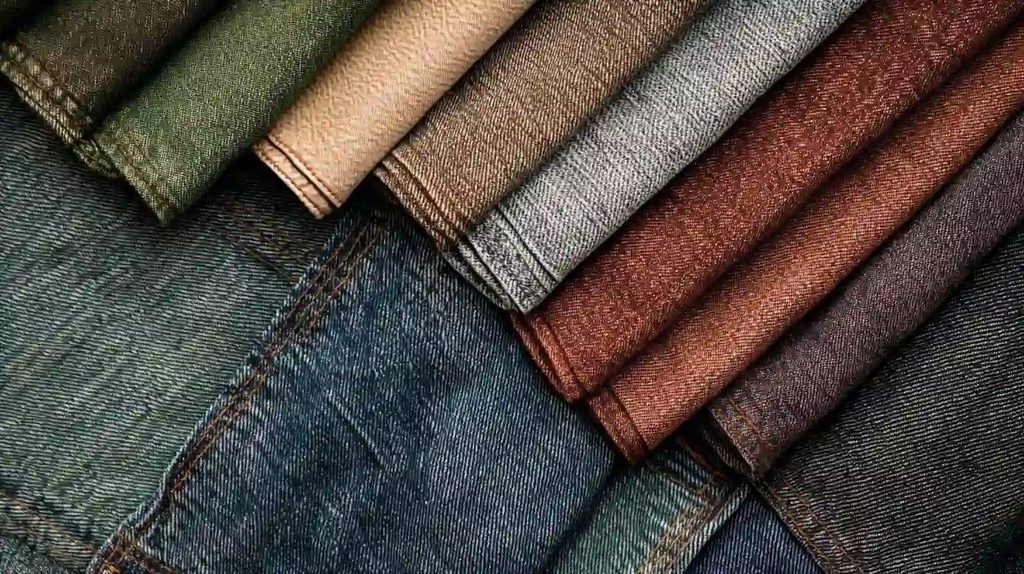
What Is Denim Premiere Vision Milan 2026?
Denim Première Vision is an international trade event dedicated to the denim industry. It connects professionals working across fabrics, garments, accessories, manufacturing, finishing and creative development.
The November 2026 edition will take place at Superstudio Più, Via Tortona 27, 20144 Milan, Italy, on 25 and 26 November. The official event website lists 60 exhibitors, bringing together companies and specialists from different parts of the denim supply chain.
Unlike a conventional consumer fashion show, the event focuses on the wider process behind denim. Visitors can explore textile developments, production expertise, creative projects, material experimentation and the ideas that may influence future collections.
Its programme also looks beyond finished clothing. It considers how denim is designed, developed, treated and worn, connecting industrial knowledge with fashion creativity.
For readers interested in menswear, this matters because developments in denim fabrics, colours and finishes can eventually influence jeans, jackets, shirts, overshirts and other everyday wardrobe pieces.
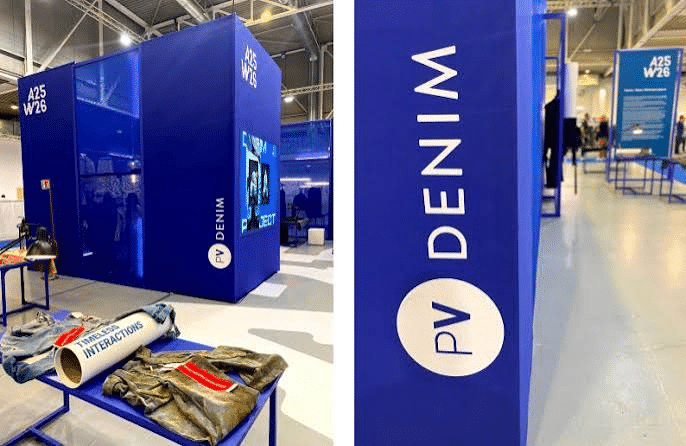
Why Denim Premiere Vision Milan 2026 Matters to the Fashion Industry
The denim industry has to respond to several connected challenges. Consumers want clothing that looks distinctive, feels comfortable and offers lasting value. Designers are exploring new silhouettes and finishes, while manufacturers continue to work on production methods, material performance and environmental considerations.
An international industry event creates a space where these different priorities can be discussed together.
The November edition is particularly interesting because its programme includes an exploration of Summer 2028 trends by the Première Vision Fashion Team. It also features Amy Leverton of Denim Dudes, who is scheduled to discuss individuality, subcultures and personal style.
These subjects are relevant to modern fashion because denim is strongly connected to identity. The same fabric can communicate workwear practicality, vintage character, minimalist styling, luxury design or streetwear culture depending on its cut, colour and treatment.
The event therefore offers more than a preview of new jeans. It provides a look at the ideas and production expertise that could shape future denim collections.
Five SS28 Denim Colours to Watch
One of the most useful parts of the official event preview is its Spring/Summer 2028 colour direction. The organisers have presented five named shades with descriptions of their intended denim applications.
These are official forecast directions, not a guarantee that every colour will become a mainstream retail trend. They are, however, useful indicators of the creative possibilities being explored by the industry.
1. Grand Cru: Deep Reddish-Violet Denim
Grand Cru introduces intense reddish-violet influences inspired by natural beetroot dyes. The colour direction is designed to add depth and texture, particularly when used with stone and acid washes.
The official preview describes its use on overdyed garments and in layered combinations with deep indigo denim. These treatments can create strong contrasts and bring additional visual character to fabric surfaces.
For menswear, this shade could offer an alternative to conventional blue, black and grey denim. It may work particularly well in statement jackets, overshirts and selected casual pieces.
A practical styling approach would be to balance a strong reddish-violet denim item with neutral colours such as white, charcoal, cream or black.
2. Tin: Mineral Grey with Green Undertones
Tin explores a cooler grey direction that gradually develops greener undertones. The result is described as mineral, urban and contemporary.
According to the official forecast, these greys are being considered across both menswear and womenswear as a potential second basic colour after indigo.
The preview also notes that garment dyeing could help extend this colour direction into sweatshirts and T-shirts with a denim-inspired appearance.
For everyday men’s clothing, mineral grey can be a versatile alternative to traditional blue denim. It can complement black jackets, white T-shirts, neutral knitwear and understated sneakers.
Its appeal lies in its adaptability. It offers a modern appearance without depending on a highly saturated colour.
3. Violine: Deep Violet with Subtle Red Reflections
Violine focuses on shadowy, almost-black violet shades with pink or reddish reflections across the fabric surface.
The official forecast describes different ways of developing this colour, including violet or red treatments applied to deep indigo denim, dark violet overdyes and understated lightweight coatings.
This direction is particularly interesting for designers who want to experiment with colour without moving too far away from darker, familiar denim tones.
In menswear, deep violet denim could provide a distinctive option for evening-inspired casual clothing, jackets and fashion-led trousers.
It is also a useful example of how small changes in colour treatment can transform the appearance of a familiar fabric.
4. Fresco Green: Vintage-Inspired Moss Tones
Fresco Green takes inspiration from moss-like green shades, moving towards greyer undertones. The official description connects this colour direction with a vintage appearance and layered garment treatments.
The forecast mentions garment dyeing, acid and ozone washes, abrasive finishes and different intensities of garment tinting.
These techniques can create complex surface effects rather than a completely uniform colour.
For men’s fashion, muted green denim could work well with earthy shades, beige, off-white, brown and dark navy. It may also complement utility-inspired clothing and workwear silhouettes.
The important point is that Fresco Green is not simply a bright green denim trend. Its appeal comes from subtle colour variation and a worn-in visual character.
5. Mauve Stoneware: Textured and Lived-In Denim
Mauve Stoneware is a greyed-violet colour direction designed for heavyweight cotton denim.
The official preview highlights rope-dyeing, aggressive washing and surface treatments such as rips, abrasions and worn effects. These processes can give the fabric a tougher, more lived-in appearance.
Unlike a clean and uniform denim finish, this direction embraces visible texture and tonal variation.
For menswear, it could inspire expressive jeans, structured jackets and statement pieces. However, the colour and finish would need to be balanced carefully to avoid making an outfit look overly distressed.
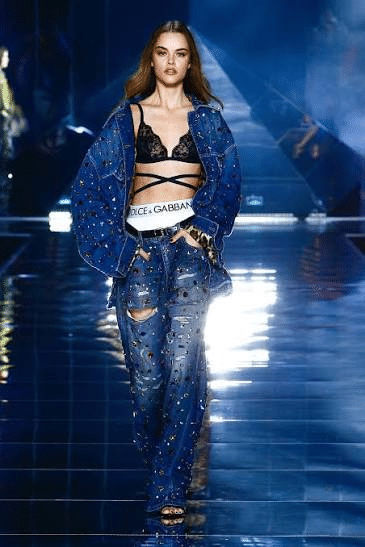
A simple T-shirt, clean footwear and an understated outer layer could help keep the overall look wearable.
How SS28 Denim Colours Could Influence Men’s Fashion
The five colour directions provide a useful starting point for thinking about future menswear. They also show that denim development is not limited to changing the shade of blue.
Grand Cru and Violine introduce deeper violet-based possibilities, while Tin offers a more neutral direction. Fresco Green explores muted vintage tones, and Mauve Stoneware focuses on texture and heavier fabric character.
These colours could inspire several different clothing categories:
- Jeans: Alternative colours and surface treatments could offer more choice beyond traditional indigo and black.
- Denim jackets: Heavier fabrics and expressive washes could create stronger statement pieces.
- Overshirts: Muted green and mineral grey could work well in relaxed layering.
- Casual trousers: Dark violet and greyed tones could offer alternatives to conventional denim.
- Denim-inspired tops: Garment-dyed sweatshirts and T-shirts could bring denim colour ideas into other fabric categories.
It is important to remember that these are potential styling applications based on the official colour descriptions, not confirmed retail launches.
For consumers, the most useful lesson is to look at how a colour works with existing wardrobe pieces rather than buying every new shade simply because it appears in a forecast.
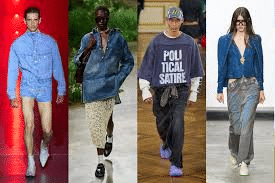
Beyond Colour: Denim Fabric Innovation and Creative Experimentation
Colour is only one part of the denim industry’s development. Fabric construction, dyeing, finishing and material research also influence how denim looks and performs.
The Milan event places particular attention on the relationship between creative ideas and industrial expertise. Its programme includes DENIM, RECAST., a project developed with fashion label BOTTER.
The project explores denim through material research and transformation. Rather than presenting only finished garments, it aims to show the creative process behind new material expressions, including the work of specialist industry partners.
The official project information identifies partners such as ISKO, Kaihara, ACM Next Printing, HOWA, Tonello, M&J Genesis, BAP Buttons and Lemar.
This collaboration illustrates why denim innovation requires different areas of expertise. A designer may develop a creative concept, but fabric manufacturers, finishers and specialist suppliers help explore how that idea can become a workable material or garment.
For the wider fashion industry, this connection between design and production is an important part of future development.
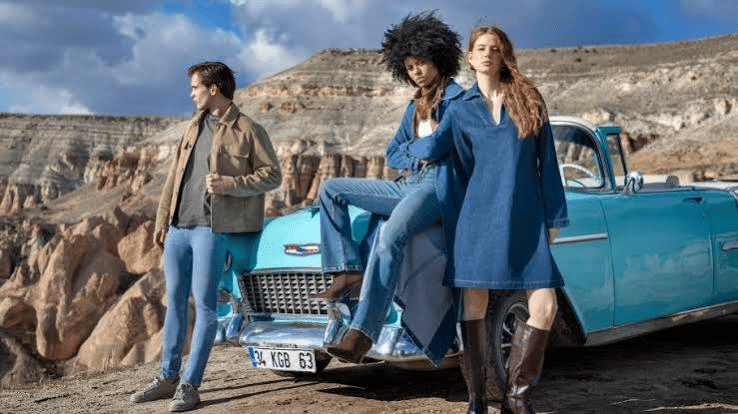
Sustainable Denim: Why Material Decisions Matter
Sustainability remains an important subject in textile development, including denim. Producing denim involves decisions about fibres, dyeing, washing, finishing, energy, water, chemicals, transport and garment durability.
However, a particular colour or finish should not automatically be described as sustainable. Environmental performance depends on the actual materials, processes, manufacturing conditions and evidence behind a product.
The Denim Première Vision programme provides a useful setting for discussing innovation and manufacturing expertise. Its BOTTER collaboration also highlights experimentation with material surfaces and transformation.
For brands and manufacturers, the practical questions include:
- What fibres and materials are being used?
- How much water and energy does the process require?
- Which dyeing and finishing methods are involved?
- Are chemical management and wastewater controls documented?
- Can the garment maintain its appearance and quality over time?
- Is there reliable information to support environmental claims?
For consumers, buying fewer, better-fitting garments and caring for denim properly can help extend the useful life of clothing.
The strongest sustainability claims should always be supported by verifiable information rather than vague marketing language.
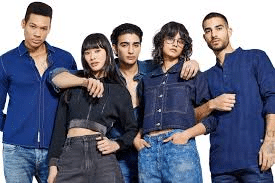
What Brands and Designers Should Watch at the Milan Event
The November edition offers several areas worth following.
The SS28 trend presentation: The Première Vision Fashion Team is scheduled to explore Summer 2028 trends, including the relationship between workwear heritage, innovation and creative freedom.
Individuality and personal style: Amy Leverton of Denim Dudes is scheduled to discuss individuality, subcultures and personal style. This is relevant to brands considering how denim connects with different consumer identities.
The DENIM, RECAST. project: BOTTER’s collaboration provides an opportunity to examine material research, creative experimentation and the role of specialist manufacturers.
The exhibitor community: The official website lists 60 exhibitors across the denim supply chain. Their presence offers an opportunity for industry visitors to explore different areas of fabric, finishing and production expertise.
For fashion businesses, these subjects can provide ideas for future product development, sourcing and creative direction. For fashion readers, they help explain why the jeans and denim jackets available in shops are influenced by a much wider process.
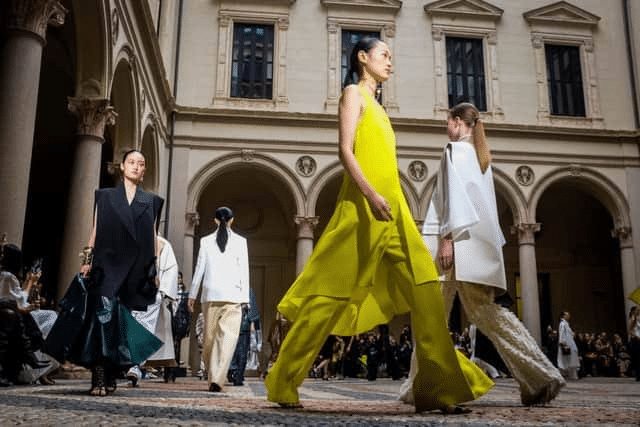
How to Wear Denim-Inspired Looks in Everyday Men’s Fashion
Forecasts and trade events can introduce interesting ideas, but everyday styling still depends on fit, comfort and personal preference.
Men can explore new denim directions without changing their entire wardrobes.
Try a neutral foundation: A white T-shirt, dark jeans and clean sneakers create a simple base for experimenting with new denim colours.
Use one statement piece: If you choose a violet or green denim jacket, keep the rest of the outfit relatively understated.
Explore relaxed silhouettes: Straight-leg jeans, relaxed overshirts and practical jackets can provide a comfortable alternative to extremely tight or excessively oversized clothing.
Balance distressed finishes: Heavily washed or abraded denim works best when the remaining pieces are relatively clean and simple.
Consider fabric weight: Lightweight denim may be more comfortable in warmer weather, while heavier fabrics can provide more structure and work better for outerwear.
Choose colours that work together: Mineral grey, muted green, deep violet and classic indigo can be combined with neutral shades, but the final outfit should still feel balanced.
These ideas are styling suggestions inspired by the event’s official forecast, not a claim that the featured colours are already dominating retail fashion.
When and Where Is Denim Premiere Vision Milan 2026?
The event is scheduled for:
- Dates: 25–26 November 2026
- Venue: Superstudio Più
- Address: Via Tortona 27, 20144 Milan, Italy
- Event focus: Denim fabrics, garments, accessories, innovation and fashion trends
- Official exhibitor count: 60
The official event website provides visitor information, registration details, exhibitor listings and the programme.
Fashion and textile professionals interested in attending should consult the official website for the latest access and registration information before making travel arrangements.
Visit the official Denim Première Vision website for updates and event details.
Frequently Asked Questions
1. What is Denim Premiere Vision Milan 2026?
Denim Premiere Vision Milan 2026 is an international denim industry event scheduled for 25–26 November in Milan, Italy. It brings together companies and professionals involved in denim fabrics, garments, accessories, manufacturing and creative development.
2. Where will Denim Premiere Vision Milan 2026 take place?
The event will take place at Superstudio Più, Via Tortona 27, 20144 Milan, Italy. Visitors should check the official event website for the latest practical information.
3. What denim trends are being previewed for SS28?
The official preview features five colour directions: Grand Cru, Tin, Violine, Fresco Green and Mauve Stoneware. They explore reddish-violet, mineral grey, deep violet, muted green and greyed-violet denim treatments.
4. Will the SS28 denim colours become popular in men’s fashion?
They are official forecast directions intended to inspire future development. Whether they become widely adopted in men’s fashion will depend on designers, brands, manufacturers, retailers and consumer preferences.
5. Why is denim innovation important for the fashion industry?
Innovation can influence fabric performance, colour, texture, finishing, comfort and production methods. It also gives designers and manufacturers more ways to develop garments that respond to changing fashion preferences.
Final Thoughts
Denim Premiere Vision Milan 2026 offers a useful look at how the denim industry is exploring new colours, materials and creative possibilities. Its Spring/Summer 2028 preview moves beyond conventional indigo, introducing directions such as Grand Cru, Tin, Violine, Fresco Green and Mauve Stoneware.
The event’s wider programme is equally important because it connects designers, manufacturers and textile specialists. Projects such as DENIM, RECAST. demonstrate how creative concepts can develop through material research and industry collaboration.
For men’s fashion, the most interesting opportunity is the possibility of bringing these ideas into wearable clothing. New colour directions, considered washes, practical silhouettes and thoughtful fabric choices can all contribute to the next chapter of denim.
The event takes place on 25–26 November 2026 in Milan. Its presentations and projects will offer a closer look at the ideas that may influence future denim collections.
Explore more watch styling ideas and men’s accessories in the Men’s Fashion collection at GupShup World.