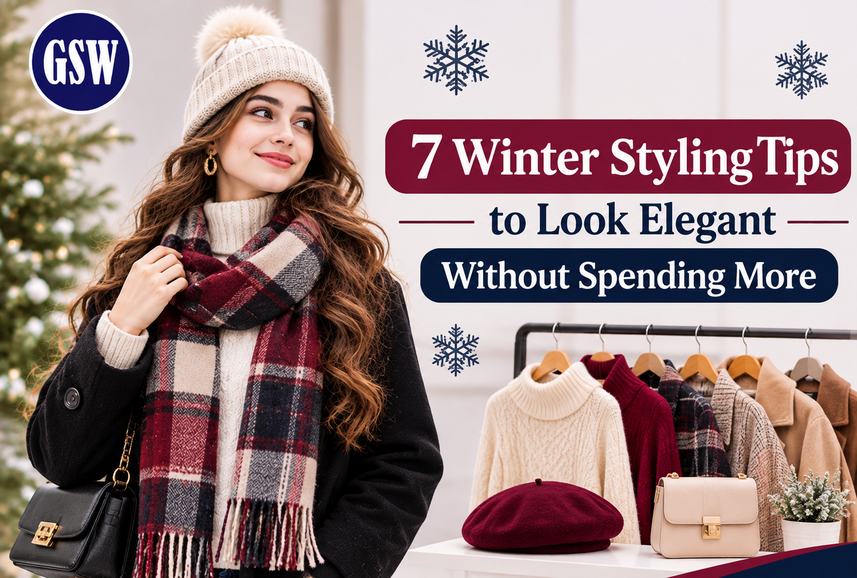
Winter fashion does not have to mean buying a completely new wardrobe every season. Sometimes, the secret to looking effortlessly elegant is not owning more clothes but learning how to style the pieces you already have. A well-fitted coat, a versatile sweater, classic trousers and a few carefully chosen accessories can create more outfit possibilities than an overflowing wardrobe.
The best winter styling tips focus on smart combinations, balanced proportions, comfortable layers and colours that work together. Whether you are getting dressed for the office, meeting friends, travelling or enjoying a relaxed weekend, small styling adjustments can make everyday winter outfits look more polished.
If you want to refresh your winter appearance without stretching your budget, these seven practical ideas will help you make better use of your existing clothes while developing a more refined personal style.
1. Build Outfits Around Clothes You Already Own
Before shopping for new winter pieces, take a closer look at your wardrobe. You may already own several items that can be combined in fresh ways.
Start by separating your clothes into simple categories:
- Knitwear, sweaters and cardigans
- Shirts, tops and basic layers
- Jeans, trousers and skirts
- Coats, jackets and blazers
- Boots, trainers and everyday shoes
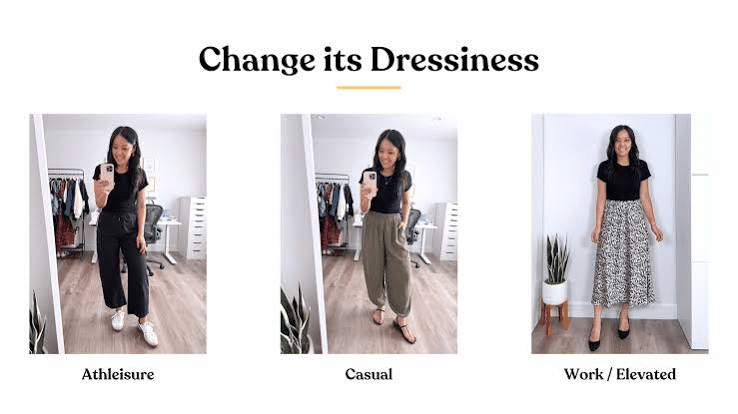
Look for pieces that can work with more than one outfit. A neutral sweater, for example, can be worn with jeans for a relaxed look, tailored trousers for work or a skirt for a more dressed-up appearance.
Try creating three different outfits with one item before deciding that you need something new. This simple habit helps reduce unnecessary purchases and makes your wardrobe more practical.
Style tip: Photograph outfit combinations that you like. Keeping a small collection of outfit pictures on your phone can make getting dressed easier on busy mornings.
2. Choose a Colour Palette That Makes Mixing Easier
One of the easiest ways to make winter outfits look coordinated is to work with a consistent colour palette.
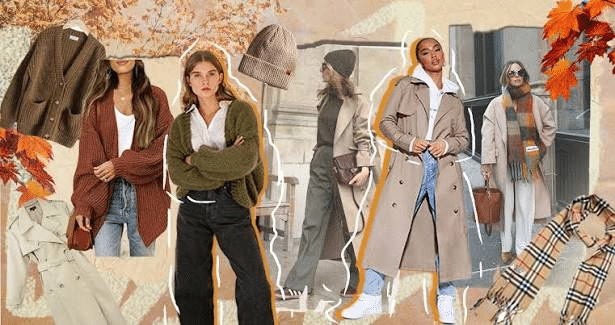
Neutral shades such as black, cream, grey, camel, chocolate brown and navy are useful because they can be combined in numerous ways. You do not need to wear neutral colours from head to toe, either. A brighter shade can add personality without making the outfit feel complicated.
For example, try these combinations:
- Camel with cream and dark brown
- Grey with black and burgundy
- Navy with white and camel
- Chocolate brown with beige and soft blue
- Black with charcoal and a touch of red
You can also use one statement colour in an otherwise simple outfit. A burgundy scarf, colourful handbag or striking sweater can add visual interest without requiring an entirely new look.
Style tip: Choose two or three colours that already appear in your wardrobe and use them as the foundation for your winter outfits.
3. Master Layering Without Creating Extra Bulk
Layering is an essential part of winter dressing, but adding too many thick garments can make an outfit uncomfortable and difficult to move in.
The trick is to build layers thoughtfully. Begin with a lightweight base, add a comfortable middle layer and finish with outerwear that suits the weather.
A practical combination might include:
- A fitted cotton top or lightweight thermal layer
- A fine-knit sweater or cardigan
- A coat, jacket or blazer
Pay attention to the thickness of each garment. Lightweight pieces underneath heavier outerwear usually create a cleaner silhouette than wearing several bulky sweaters together.
You can also introduce different textures to make an outfit more interesting. For example, combine a soft knit with denim, a wool-blend coat or a smooth leather-look jacket.
Remember that winter temperatures vary. Choose the number and weight of layers according to your local weather rather than following a styling formula blindly.
Style tip: If your top half has several layers, consider keeping the bottom half more streamlined. This can help maintain visual balance.
- British Vogue – Create The Ultimate Winter Capsule Wardrobe
- COS – How to Layer for Autumn/Winter
- Vogue – Winter Layering Tips
4. Pay Attention to Fit and Proportions
You do not need expensive designer clothing to look well-dressed. Fit and proportion often make a bigger difference than the price or label of a garment.
An oversized sweater can look stylish with straight-leg jeans or tailored trousers. Similarly, a fitted top can balance wider trousers or a flowing skirt.
Try these simple combinations:
- Oversized sweater with straight-leg jeans
- Fitted knitwear with wide-leg trousers
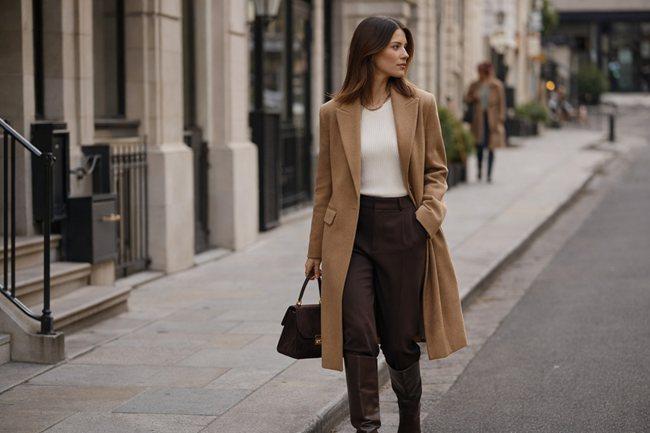
- Long coat with slim or straight-cut bottoms
- Cropped jacket with high-waisted trousers
- Relaxed blazer with a simple fitted top
The goal is not to follow strict body-shape rules. It is to create an outfit in which the individual pieces work comfortably together.
Also, pay attention to small details such as sleeve length, trouser hems and shoulder fit. A minor alteration from a reliable tailor can sometimes make an older garment feel much more polished.
Style tip: Before purchasing anything new, check whether it fits comfortably and whether you can style it with at least three items you already own.
5. Use Accessories to Refresh Simple Outfits
Accessories can change the appearance of an outfit without requiring a major wardrobe update.
A simple combination of jeans and a sweater, for example, can feel more considered with a structured handbag, a neatly styled scarf or understated jewellery.
Useful winter accessories include:
- Scarves in versatile colours
- Leather or leather-look belts
- Simple earrings and necklaces
- Structured handbags
- Comfortable gloves
- Hats and beanies that complement your outerwear
You do not need to wear every accessory at once. Choose one or two pieces that complement the outfit instead of competing for attention.
Consider the overall look, too. A delicate necklace may suit a simple knit, while a structured belt can add definition to a relaxed outfit.
Style tip: If your clothes are already detailed or patterned, keep accessories simple. If your outfit is minimal, one noticeable accessory can become the focal point.
6. Choose Fabrics That Look Good and Feel Comfortable
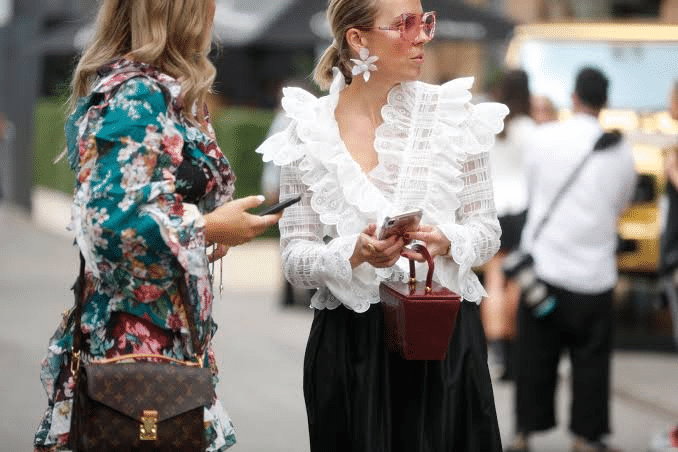
Fabric plays an important role in how winter clothing looks, feels and performs. A well-chosen fabric can make an outfit appear more refined while helping you stay comfortable in colder conditions.
Depending on your climate and budget, consider:
- Wool blends: Useful for coats, jackets and warm knitwear.
- Merino wool: Often suitable for lightweight sweaters and base layers.
- Cotton: A versatile option for shirts, tops and layering.
- Fleece: Practical for casual and outdoor outfits.
- Denim: A dependable choice for everyday winter styling.
Always check garment labels before buying. Fabric composition, lining, thickness and care requirements can tell you more about a garment than its appearance alone.
You can also make older clothes look better by following their care instructions. Removing lint, storing knitwear correctly, cleaning shoes and repairing loose buttons are inexpensive ways to improve the overall appearance of your wardrobe.
Style tip: Prioritise comfort, durability and suitability for your local weather instead of choosing a garment simply because it looks fashionable.
7. Make Your Shoes and Outerwear Work Harder
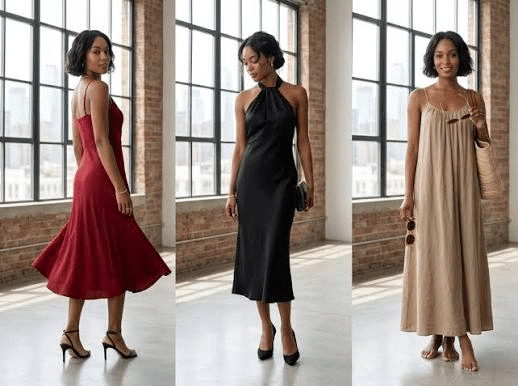
Shoes and outerwear are often the most noticeable parts of a winter outfit. Choosing versatile options can help you create several looks without spending more.
For footwear, consider what you actually wear most often. Ankle boots, comfortable trainers, loafers and other practical shoes can work with different outfits, depending on your climate and lifestyle.
Your outerwear should also match your everyday needs. A classic coat may work well for office outfits and evenings out, while a practical jacket can be more suitable for casual activities.
Before purchasing another coat or pair of shoes, ask yourself:
- Can I wear this with several outfits?
- Does it suit my everyday routine?
- Is it comfortable enough for regular use?
- Can I maintain and care for it properly?
- Do I already own something that serves the same purpose?
A versatile piece that you wear regularly can offer more value than an expensive item that stays in your wardrobe.
Style tip: Keep your everyday shoes clean and in good condition. Even a simple outfit can look more polished when the footwear is well maintained.

How to Look Elegant in Winter Without Overspending
Looking elegant does not require following every fashion trend or replacing your wardrobe whenever the season changes. A more practical approach is to understand what works for your lifestyle and make thoughtful use of the clothes you already own.
Start with versatile basics, experiment with colour combinations, learn to layer comfortably and pay attention to fit. Accessories, fabric care and suitable footwear can also make a noticeable difference.
Most importantly, choose clothes that make you feel comfortable and confident. Personal style is not about spending the most money; it is about making thoughtful choices and wearing them well.
With these winter styling tips, you can create fresh, attractive outfits while keeping your shopping list and spending under control.
Frequently Asked Questions
1. How can I look elegant in winter without buying new clothes?
Start by reviewing your existing wardrobe and creating new combinations. Use neutral colours, experiment with layering, improve the fit of older garments and refresh simple outfits with accessories.
2. Which colours make winter outfits look more sophisticated?
Black, camel, cream, charcoal, navy, chocolate brown and burgundy are versatile options. You can combine neutrals or introduce one brighter colour for contrast.
3. How can I layer winter clothes without looking bulky?
Begin with a lightweight base layer, add a comfortable middle layer and finish with suitable outerwear. Balance oversized garments with more streamlined pieces to maintain proportion.
4. What winter clothing items are worth investing in?
Prioritise garments you will wear frequently, such as a versatile coat, comfortable knitwear, well-fitting trousers and practical footwear. Consider fabric quality, durability and your local climate before purchasing.
5. How can accessories improve a simple winter outfit?
A scarf, belt, handbag, gloves or understated jewellery can add colour, texture and structure to a basic outfit. Choose accessories that complement the clothing rather than overpower it.
Explore more seasonal outfit inspiration, footwear ideas and styling advice in GupShupWorld’s Women Fashion collection.