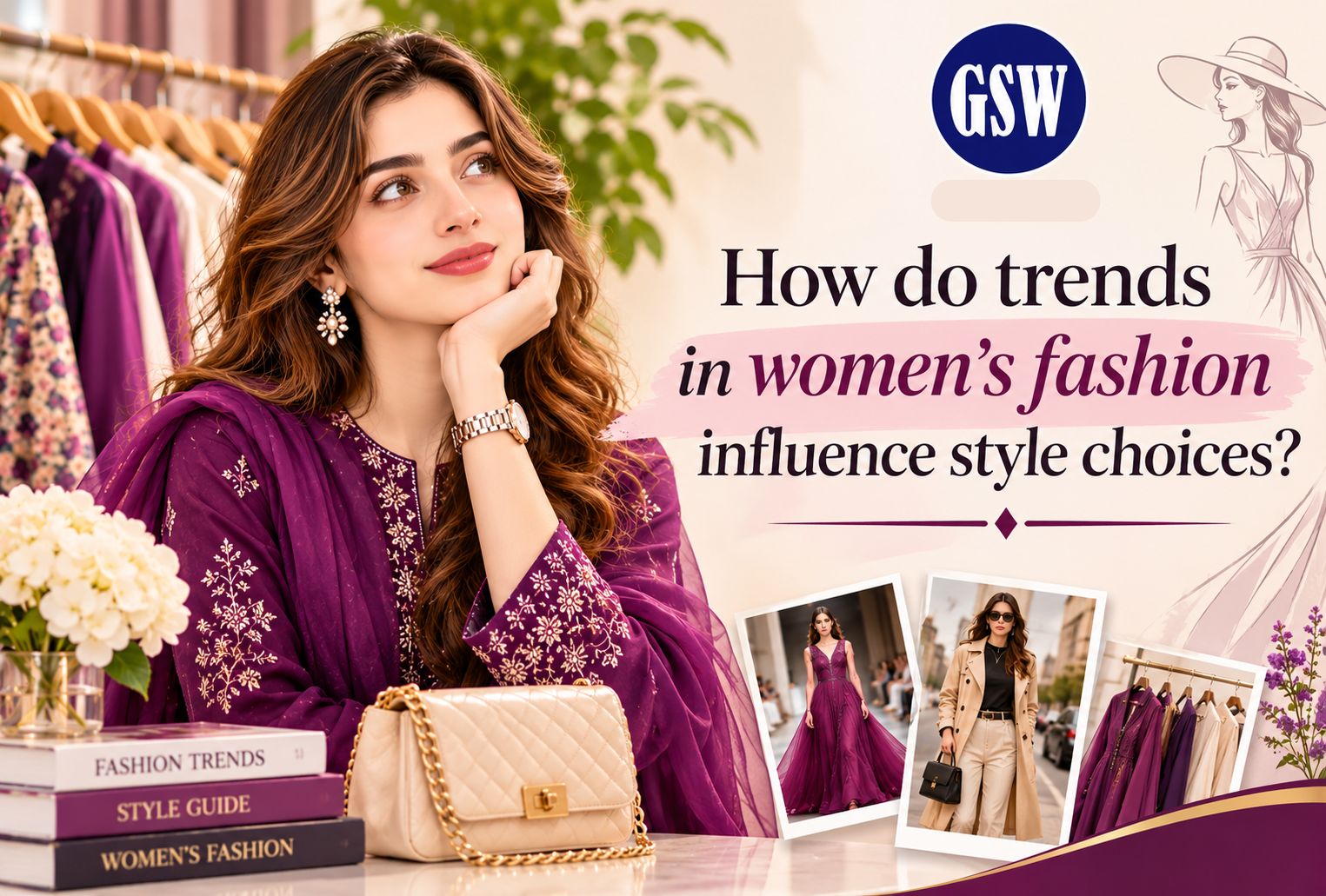
Fashion trends influence the way women dress, shop and express their personalities. From popular clothing colours and silhouettes to seasonal outfits and accessories, trends introduce new ideas that can shape individual style choices. However, following fashion does not mean wearing everything that becomes popular. Personal comfort, lifestyle, budget and individual preferences remain important when deciding which trends are worth adopting.
Today, women discover fashion inspiration through social media, celebrities, fashion magazines, online stores and everyday street style. These influences can introduce new clothing combinations and encourage women to experiment with different looks.
Understanding how do trends in womens fashion influence style choices starts with recognising that fashion provides inspiration rather than strict rules. The best style decisions are those that combine current ideas with personal identity and practical needs.
This guide explains how fashion trends influence women’s clothing choices, what drives popular styles and how to use fashion inspiration without losing your individuality.
How Do Trends in Womens Fashion Influence Style Choices?
Womens fashion trends influence style choices by introducing new colours, clothing designs, fabrics, accessories and ways of combining outfits. They help women discover different looks, explore personal preferences and decide how to update their wardrobes.
However, trends do not influence every woman in the same way. Some enjoy experimenting with new styles, while others prefer timeless clothing and familiar outfits.
The most important influences include social media, celebrity fashion, cultural changes, seasonal collections, affordability and personal lifestyle.
1. Social Media Introduces New Fashion Ideas
Social media has become an important source of fashion inspiration.
Platforms such as Instagram, TikTok and Pinterest allow women to discover outfits, styling ideas, clothing brands and emerging fashion aesthetics.
A single outfit shared by a fashion creator can inspire thousands of people to experiment with a similar combination.
For example, a woman may discover a new way to style wide-leg trousers, combine neutral colours or wear sneakers with a casual dress.
Social media also makes it easier to compare different clothing options before purchasing.
A 2025 study published in the Future Business Journal examined 643 Gen Z consumers aged 16–28 in Egypt. It found that brand-created and user-generated social media content influenced participants’ purchase intentions for sustainable fashion. This research focused on a particular demographic and market, but it demonstrates how digital content can shape fashion-related decisions.
Read the research: How Brand and User-Generated Content Influence Sustainable Fashion Purchases.
The important point is to use social media for inspiration rather than treating every viral outfit as something you must purchase.
2. Celebrities and Fashion Influencers Shape Style Preferences
Celebrities, models and fashion influencers often introduce clothing styles to wider audiences.
Their outfits may inspire women to experiment with particular colours, accessories, clothing combinations and designers.
For example, a popular celebrity outfit might encourage interest in:
- Oversized blazers.
- Wide-leg trousers.
- Minimalist dresses.
- Statement handbags.
- Distinctive footwear.
- Layered jewellery.
Fashion influencers can also make certain styles easier to understand by showing how garments look in everyday settings rather than only in professional photographs.
However, an outfit that looks attractive on a celebrity may not suit every person’s budget, body proportions or lifestyle.
Use celebrity fashion as a source of ideas, then adapt it to your own needs.
3. Seasonal Fashion Trends Influence Wardrobe Choices
Fashion changes with the seasons because weather, activities and clothing needs change throughout the year.
Seasonal collections introduce different fabrics, colours, layers and silhouettes.
Spring and Summer Fashion
Warmer weather often encourages lighter clothing and breathable materials.
Common seasonal choices include:
- Cotton dresses.
- Linen trousers.
- Lightweight shirts.
- Casual skirts.
- Comfortable sandals.
- Relaxed summer outfits.
Women may also experiment with brighter colours and lighter patterns during warmer months.
Autumn and Winter Fashion
Cooler weather creates opportunities for layering and textured clothing.
Popular wardrobe choices include:
- Knit sweaters.
- Long coats.
- Jackets.
- Boots.
- Scarves.
- Layered trousers and shirts.
Seasonal trends can help women update their wardrobes according to the weather without needing to replace everything they own.
4. Fashion Trends Encourage Personal Expression
Clothing is not only about appearance. It can also communicate personality, mood and cultural identity.
Some women enjoy minimalist outfits with neutral colours, while others prefer bold prints, statement accessories and expressive combinations.
Fashion trends can introduce new ways to explore these preferences.
For example, someone who normally wears simple clothing may try a colourful handbag or patterned blouse after seeing an outfit they like.
Others may use vintage-inspired fashion to create a more individual appearance.
The most effective approach is to choose trends that feel authentic rather than copying someone else’s complete wardrobe.
5. Popular Clothing Colours Influence Shopping Decisions
Colour is one of the easiest ways to notice changes in fashion.
Fashion brands, designers and seasonal collections often highlight particular colour combinations that attract attention.
For example, neutral colours such as beige, white, black and grey remain useful for building versatile wardrobes.
Brighter shades, earthy tones and seasonal colour combinations can introduce variety.
How to Use Trending Colours
You do not need to purchase an entirely new outfit to experiment with colour.
Try introducing one new shade through:
- A blouse.
- A handbag.
- A scarf.
- A pair of shoes.
- A skirt or pair of trousers.
Combining one expressive colour with neutral clothing can create a balanced outfit.
Colour trends should serve your personal preferences rather than force you to wear shades you do not enjoy.
6. Different Fashion Aesthetics Offer More Styling Choices
Fashion trends often introduce different aesthetics, giving women more opportunities to experiment with their appearance.
Some popular style directions include:
Minimalist Fashion
Minimalist style focuses on simple clothing, clean silhouettes and versatile colours.
It commonly includes tailored trousers, plain tops, simple dresses and understated accessories.
Streetwear Fashion
Streetwear combines casual clothing with influences from music, youth culture and contemporary urban style.
Its wardrobe can include sneakers, oversized shirts, relaxed trousers, hoodies and statement accessories.
Classic Fashion
Classic fashion focuses on clothing that remains useful beyond short-term trends.
Examples include tailored blazers, white shirts, straight-leg trousers and simple dresses.
Vintage-Inspired Fashion
Vintage-inspired outfits take ideas from earlier fashion decades.
Women may experiment with flared trousers, retro prints, classic handbags and traditional silhouettes.
These different directions allow women to discover what suits them without limiting themselves to one fashion category.
7. Online Shopping Makes Trends More Accessible
Online shopping has changed how women discover and purchase fashion.
Rather than relying only on local stores, shoppers can compare styles, fabrics, sizes and prices from different brands.
Online reviews, product photographs and customer images can help them understand how clothing looks in real-life situations.
This can influence which trends women decide to follow.
However, product photographs do not always represent the exact colour, fit or fabric quality of an item.
Before ordering clothing, check:
- Size charts.
- Material descriptions.
- Customer reviews.
- Return policies.
- Shipping costs.
- Product photographs from different angles.
A trend is only worth purchasing when the clothing fits comfortably and provides genuine value.
8. Sustainable Fashion Is Influencing Wardrobe Decisions
Fashion trends are not only about wearing new designs. Increasing awareness of environmental and ethical issues is also influencing how some consumers think about clothing.
Sustainable fashion encourages more thoughtful purchasing, longer garment use and consideration of how clothing is manufactured.
Instead of purchasing every new trend, women may choose to:
- Buy fewer but more versatile garments.
- Rewear existing outfits.
- Explore second-hand clothing.
- Repair damaged garments.
- Consider fabric quality.
- Support brands with transparent sustainability information.
A systematic review of 92 studies on social media and sustainable fashion consumption examined how digital platforms can influence more responsible fashion-related behaviour.
Explore the research: The Influence of Social Media on Sustainable Fashion Consumption.
Sustainability does not require abandoning fashion. It encourages consumers to think more carefully about what they buy and how long they use it.
9. Budget and Lifestyle Determine Which Trends Women Follow
Not every fashion trend is suitable for every budget.
A designer outfit may look attractive, but it does not automatically provide better value than an affordable alternative.
Similarly, a woman who spends most of her day at work may prefer practical clothing, while someone attending frequent social events may enjoy more expressive outfits.
Lifestyle influences whether a trend is useful.
Before purchasing something new, consider:
- How often will you wear it?
- Does it work with your existing wardrobe?
- Is the price reasonable?
- Is the clothing comfortable?
- Does it suit your daily activities?
These questions help women avoid unnecessary purchases and build more practical wardrobes.
10. How to Follow Fashion Trends Without Losing Your Personal Style
Fashion should provide opportunities for creativity rather than pressure to follow every new development.
You can stay interested in trends while maintaining an individual identity.
Here are five practical ways to do this.
Choose Trends That Match Your Preferences: Focus on colours, silhouettes and designs that you genuinely enjoy.
Start With Small Changes: Introduce a trend through accessories, footwear or one clothing item rather than replacing your entire wardrobe.
Prioritise Comfort: Stylish clothing should allow you to move naturally and feel comfortable.
Build Around Existing Clothes: Look for ways to combine new pieces with garments you already own.
Avoid Buying Something Only Because It Is Popular: A trend can be temporary, but a useful wardrobe should support your everyday lifestyle.
The best personal style develops through experimentation, experience and understanding what works for you.
11. Why Personal Style Is More Important Than Following Every Trend
Although trends influence shopping decisions, they are not the only factor affecting what women wear.
A 2026 exploratory study published in the Journal of Fashion Marketing and Management examined clothing choices among ten mothers. It found that individual style, practicality and social identity played important roles in their decisions, sometimes outweighing fast-fashion influences.
The sample was small, so its findings should not be treated as representative of all women. Nevertheless, it highlights an important distinction: fashion inspiration and actual clothing choices are not always the same thing.
You can appreciate a trend without purchasing it.
You can also wear clothing that has been part of your wardrobe for years and still look stylish.
Personal style develops when fashion works around your preferences rather than controlling them.
Final Thoughts: Making Fashion Trends Work for Your Personal Style
Womens fashion trends influence style choices by introducing new ideas, inspiring different outfits and shaping how women discover clothing.
Social media, celebrities, seasonal collections, cultural influences and changing consumer preferences all contribute to the fashion conversation.
However, no trend is essential for looking stylish.
The best wardrobe combines inspiration with comfort, affordability, practicality and individuality. Rather than following every popular outfit, choose the pieces that genuinely suit your lifestyle and help express your personality.
Fashion should give you more choices, not make you feel that you need to change your identity with every new trend.
Discover more outfit inspiration and styling ideas in the Womens Fashion collection at GupShup World.
Frequently Asked Questions About Womens Fashion Trends
1. How do trends in womens fashion influence style choices?
Womens fashion trends influence style choices by introducing new clothing designs, colours, silhouettes and outfit ideas. Social media, celebrities, designers and seasonal collections provide inspiration, while personal preferences and lifestyle determine which trends women adopt.
2. Why do womens fashion trends change?
Fashion trends change because of cultural influences, designer collections, social media, consumer preferences, seasonal changes and developments in the fashion industry. New ideas replace or reinterpret existing styles over time.
3. Does social media influence womens fashion choices?
Yes. Social media exposes women to outfit inspiration, product recommendations, fashion creators and customer reviews. Research involving Gen Z consumers has also found relationships between brand and user-generated social media content and fashion purchase intentions.
4. How can women follow fashion trends without spending too much?
Women can follow fashion trends by using existing wardrobe pieces, shopping selectively, choosing versatile clothing and introducing trends through affordable accessories. Planning purchases helps avoid unnecessary spending.
5. Is personal style more important than following fashion trends?
Personal style is often more useful for long-term dressing because it reflects individual preferences, comfort and lifestyle. Fashion trends can provide inspiration, but women do not need to follow every popular style to dress well.