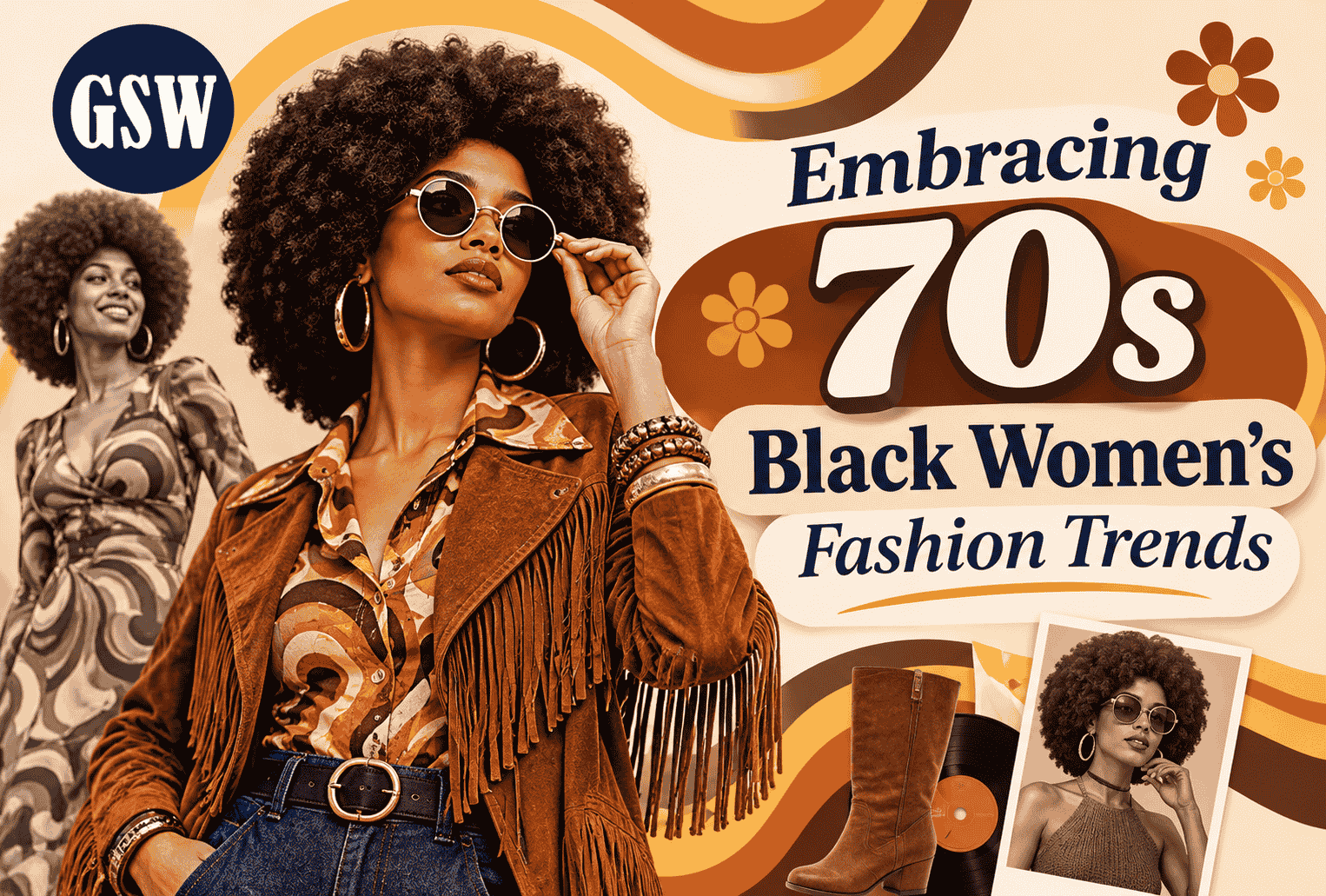
The 1970s were an unforgettable period in fashion, particularly for Black women who used clothing, hairstyles and personal expression to celebrate identity, creativity and cultural pride. From natural Afros and African-inspired prints to glamorous disco outfits and flowing silhouettes, 70s Black women’s fashion represented more than changing clothing trends. It reflected a powerful combination of cultural heritage, individuality, artistic expression and social change.
During this decade, fashion offered women different ways to express who they were. Some embraced traditional African influences, while others explored modern tailoring, vibrant colours, glamorous eveningwear and relaxed everyday clothing.
The fashion of the 1970s also helped bring greater attention to Black designers, models and creative voices within the wider fashion industry.
Today, many of these styles continue to inspire vintage fashion, contemporary streetwear and modern women’s wardrobes. Understanding their history helps us appreciate not only how these looks were created but also the cultural meaning behind them.
Let’s explore the most memorable 1970s Black women’s fashion trends and discover how their influence can be incorporated into modern outfits.
What Defined 70s Black Women’s Fashion?
70s Black women’s fashion was defined by individuality, natural beauty, cultural pride, expressive colours and diverse clothing silhouettes.
The decade brought together several influences, including the Black is Beautiful movement, African-inspired clothing, disco culture and the growing visibility of Black designers and models.
There was no single look that represented every Black woman. Fashion preferences varied according to personal taste, age, location, lifestyle and cultural background.
However, several distinctive styles became particularly meaningful during this period.
The Influence of Black Is Beautiful
The Black is Beautiful movement played an important role in the cultural expression of the 1960s and 1970s.
It encouraged Black people to embrace their natural features, cultural heritage and identity rather than feeling pressured to follow narrow mainstream beauty standards.
Natural hairstyles, especially Afros, became powerful expressions of pride and self-acceptance.
The National Museum of African American History and Culture explains how the movement celebrated natural hair and the diversity of physical features within the African American community.
Read more in the museum’s historical feature, Black Is Beautiful: The Emergence of Black Culture and Identity in the 60s and 70s.
1. Natural Afros and Bold Hairstyles
One of the most recognizable elements of 70s Black women’s fashion was the natural Afro hairstyle.
Rather than treating natural textured hair as something that needed to be hidden or altered, many women celebrated its volume, shape and individuality.
The Afro became closely associated with Black beauty, cultural awareness and personal confidence.
Why Were Afros So Significant?
The Afro was more than a hairstyle. It became a visible expression of identity during a period of important cultural and social change.
Women wore their natural hair in different shapes and sizes, sometimes combining it with headbands, decorative accessories or simple styling.
Other popular hairstyles included:
- Natural curls and shaped Afros.
- Braided hairstyles.
- Long textured hairstyles.
- Voluminous layered looks.
- Hair decorated with headbands and accessories.
These styles were diverse, and not every Black woman chose to wear natural hair.
The important legacy was the growing freedom to embrace different hair textures and expressions of beauty.
2. African-Inspired Clothing and Dashiki Fashion
African-inspired clothing was another meaningful part of the decade’s fashion expression.
The dashiki, a loose-fitting and colourful tunic with West African origins, became popular in the United States during the late 1960s and continued to carry cultural significance in the 1970s.
Its connection with African heritage, Pan-African identity and the Black Power movement gave it meaning beyond its appearance.
Women adapted the style through tunics, dresses, colourful fabrics and matching headwraps.
A historical example can be found in the Smithsonian collection: Fath Davis Ruffins made a dashiki outfit in 1970 when she was 16 years old.
The museum notes that such garments were worn by men and women in the United States as a way of expressing connections with African culture.
Explore the Smithsonian’s original 1970 dashiki.
How to Recognize Dashiki-Inspired Style
Common visual elements include:
- Loose silhouettes.
- Colourful geometric patterns.
- Decorative necklines.
- Embroidered details.
- Relaxed tunic shapes.
- Coordinated fabrics and headwraps.
These garments show how fashion can communicate cultural identity as well as personal style.
3. African-Inspired Headwraps and Statement Accessories
Headwraps were another distinctive element of Black women’s fashion during this period.
For some women, they represented an important connection with West African heritage and traditional textile practices.
A Smithsonian National Museum of American History collection records an African-style headwrap made in 1972 and worn by Fath Davis Ruffins. The fabric featured a bold floral Java print in green and yellow tones.
This historical object offers a real example of how headwraps formed part of individual fashion expression during the decade.
Discover the Smithsonian’s historical African-style headwrap.
Other accessories helped complete 1970s outfits, including:
- Large earrings.
- Statement necklaces.
- Decorative headbands.
- Wide belts.
- Distinctive handbags.
- Bold sunglasses.
The best way to understand these details is to see them as personal styling choices rather than assuming that every woman followed the same fashion rules.
4. Bell-Bottom Trousers and Flared Jeans
Bell-bottom trousers were among the defining clothing styles of the 1970s.
They featured a close-fitting upper section and a wider lower leg, creating a distinctive silhouette.
Flared jeans were popular for casual styling, while tailored versions could be worn with more polished outfits.
For women interested in recreating vintage looks, these trousers remain one of the easiest ways to introduce a 1970s influence into a modern wardrobe.
How Women Styled Bell-Bottoms
Some common outfit combinations included:
- Flared jeans with fitted tops.
- High-waisted trousers with tucked-in blouses.
- Wide-leg trousers with platform shoes.
- Denim outfits with statement belts.
- Printed shirts with flared trousers.
The wider trouser shape helped create movement and visual balance.
Although bell-bottoms were worn across many communities, Black women also interpreted them through their own cultural, musical and personal styles.
5. Disco Fashion and Glamorous Eveningwear
The 1970s disco scene introduced another memorable direction in women’s clothing.
Disco fashion celebrated movement, confidence, glamorous fabrics and outfits that stood out under dance-floor lighting.
Black designers and models were important contributors to this visual culture.
One notable example was fashion designer Stephen Burrows, whose work became internationally recognised during the decade.
His designs used vibrant colour combinations, lightweight matte jersey fabrics and fluid silhouettes that worked particularly well with movement and dance.
The Museum of the City of New York’s exhibition, Stephen Burrows: When Fashion Danced, explores his influence on 1970s fashion and nightlife.
Common Disco-Inspired Outfits
Women explored a variety of glamorous looks, including:
- Shimmering dresses.
- Jumpsuits.
- Flowing jersey garments.
- Metallic fabrics.
- Colour-blocked outfits.
- Statement eveningwear.
For a modern interpretation, try one statement piece rather than combining every disco element into a single outfit.
6. Bold Colours and Colour Blocking
Colour was an important part of 1970s fashion.
Bright yellow, red, orange, green, blue and contrasting combinations appeared in different clothing styles.
Black designers such as Stephen Burrows became recognised for their creative approach to colour.
His use of contrasting colours and flowing jersey garments helped define a distinctive visual language within American fashion during the decade.
The Fashion Institute of Technology’s Stephen Burrows designer profile explains his contribution to 1970s fashion and his influential colour-blocking techniques.
How to Recreate the Colourful Look
You can introduce this vintage-inspired approach through:
- A bright blouse with neutral trousers.
- A colourful dress with simple accessories.
- Contrasting colour combinations.
- Printed fabrics with coordinated accessories.
- Statement outerwear.
The idea is to use colour confidently while keeping the overall outfit balanced.
7. Wrap Dresses and Flowing Maxi Dresses
Flowing dresses were another recognizable part of 1970s women’s fashion.
The decade included maxi dresses, wrap dresses, relaxed silhouettes and garments designed to combine movement with comfort.
Diane von Furstenberg introduced her influential wrap dress in 1974, helping establish a design that became an important part of women’s fashion history.
For Black women exploring vintage-inspired styling, wrap dresses and flowing maxi silhouettes offered opportunities to combine different prints, colours and accessories.
Styling Ideas
Try these combinations:
- A printed maxi dress with simple sandals.
- A wrap dress with a wide belt.
- A flowing dress with a statement headwrap.
- A solid-colour maxi dress with large earrings.
The right fabric and fit can create an elegant vintage look without making the outfit feel dated.
8. Jumpsuits and One-Piece Fashion
Jumpsuits were another stylish clothing option during the 1970s.
They offered a complete outfit in one garment and were available in casual, tailored and glamorous designs.
Some versions featured wide legs, fitted waists, open necklines or bold patterns.
They could be styled with platform shoes, statement jewellery and decorative belts.
Today, a modern jumpsuit with a flared leg or defined waist can capture the spirit of the decade while remaining suitable for contemporary occasions.
9. Black Designers and Models Who Helped Shape the Decade
The 1970s were important for increasing international visibility for Black fashion designers and models.
Stephen Burrows became one of the first Black American designers to gain international recognition.
His participation in the historic 1973 Battle of Versailles fashion show helped bring attention to American fashion and the creative contributions of Black designers and models.
The Fashion Institute of Technology also documents the growing visibility of Black designers such as Stephen Burrows and Scott Barrie during this period.
Black models helped bring these designs to life on international runways and in fashion publications.
The FIT Museum’s Black Fashion Designers exhibition provides further historical context.
The story of 1970s Black women’s fashion is therefore not only about what women wore. It is also about the designers, models and creative voices who helped expand the fashion industry’s understanding of beauty and style.
10. How to Bring 70s Black Women’s Fashion into Your Modern Wardrobe
You do not need a completely vintage wardrobe to appreciate the fashion of the 1970s.
Many of its key ideas can be adapted through modern clothing.
Try High-Waisted Flared Trousers
Pair flared trousers with a fitted blouse or simple top to create a balanced silhouette.
Add African-Inspired Prints
Use a printed blouse, tunic or accessory to introduce colour and pattern into a modern outfit.
Choose designs thoughtfully and respect their cultural origins.
Experiment with Natural Hairstyles
Natural curls and voluminous hairstyles can create a beautiful connection with the natural-hair expression celebrated during the Black is Beautiful movement.
Wear Statement Accessories
Choose bold earrings, sunglasses or a distinctive belt to add personality without overwhelming the outfit.
Explore Flowing Dresses
Wrap dresses, maxi dresses and jumpsuits remain practical ways to introduce a vintage-inspired look.
Combine Vintage and Contemporary Pieces
Pair a vintage-inspired blouse with modern jeans or wear a classic wrap dress with contemporary accessories.
This approach allows you to appreciate the 1970s without copying an entire historical outfit.
Final Thoughts: The Lasting Legacy of 70s Black Women’s Fashion
70s Black women’s fashion represents an important chapter in style and cultural history.
Natural Afros, African-inspired garments, headwraps, colourful outfits, flared trousers and disco-inspired silhouettes reflected a decade of creativity and individual expression.
The contributions of Black designers and models also helped expand the visibility of Black talent within the international fashion industry.
What makes these trends especially meaningful today is their connection with cultural heritage, confidence and freedom of personal expression.
Whether you love vintage dresses, bold prints, natural hairstyles or relaxed trousers, the 1970s offer plenty of inspiration for creating a distinctive modern wardrobe.
Fashion may change from one decade to another, but the influence of creativity and cultural identity continues to inspire generations.
Explore more outfit inspiration and styling ideas in the Women Fashion collection at GupShup World.
Frequently Asked Questions About 70s Black Women’s Fashion
1. What were the most popular 70s Black women’s fashion trends?
Some memorable styles included natural Afros, African-inspired clothing, dashikis, headwraps, flared trousers, maxi dresses, jumpsuits and disco-inspired eveningwear. These looks reflected different cultural and personal influences rather than one universal style.
2. Why were Afros important in 1970s Black women’s fashion?
Afros became closely associated with the Black is Beautiful movement and represented natural beauty, cultural pride and self-expression. They challenged narrow beauty standards and celebrated the natural diversity of Black hair.
3. What did Black women wear in the 1970s?
Black women’s outfits varied widely. Common fashion inspirations included dashikis, colourful tunics, flared jeans, maxi dresses, wrap dresses, jumpsuits, tailored outfits and glamorous disco clothing. Personal preference and cultural background influenced individual styles.
4. What accessories were popular in 1970s Black women’s fashion?
Accessories included headwraps, statement earrings, bold necklaces, wide belts, sunglasses and distinctive handbags. Some women also used African-inspired fabrics and coordinated accessories to express cultural heritage.
5. How can I recreate 1970s Black women’s fashion today?
Start with flared trousers, a printed blouse, a flowing dress or an African-inspired accessory. Add contemporary footwear and simple jewellery to balance the vintage elements with modern everyday styling.